
You work across drawing, painting, printmaking, ceramics and sculpture. What determines which medium is best suited to a particular idea, and how often does an idea migrate from one discipline to another?
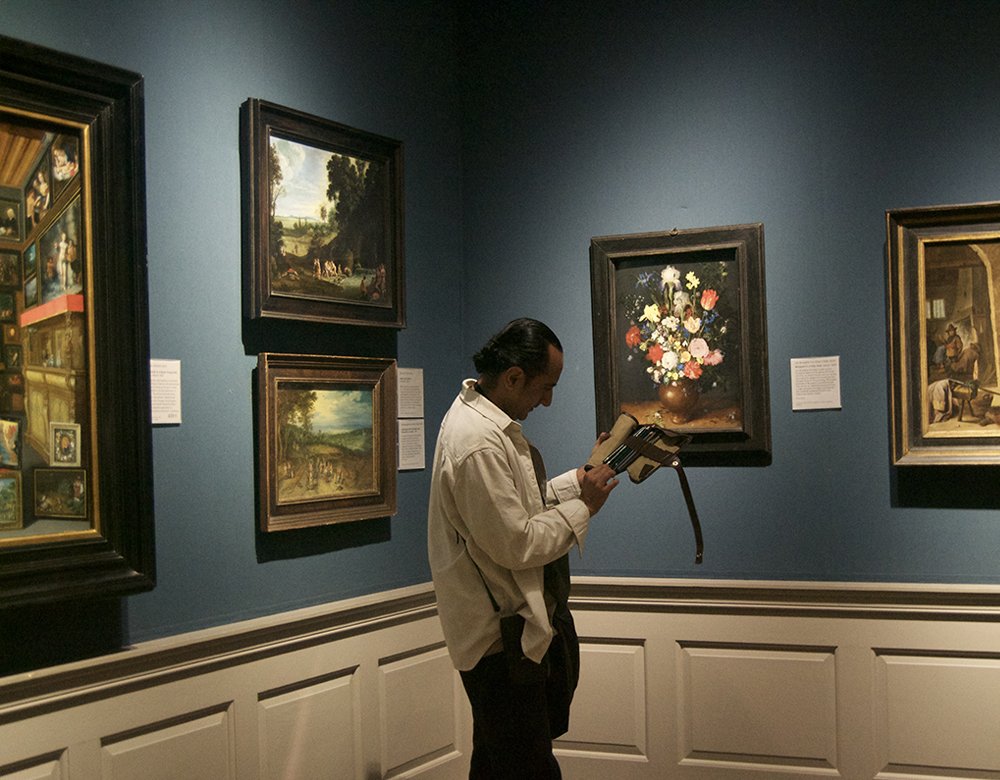
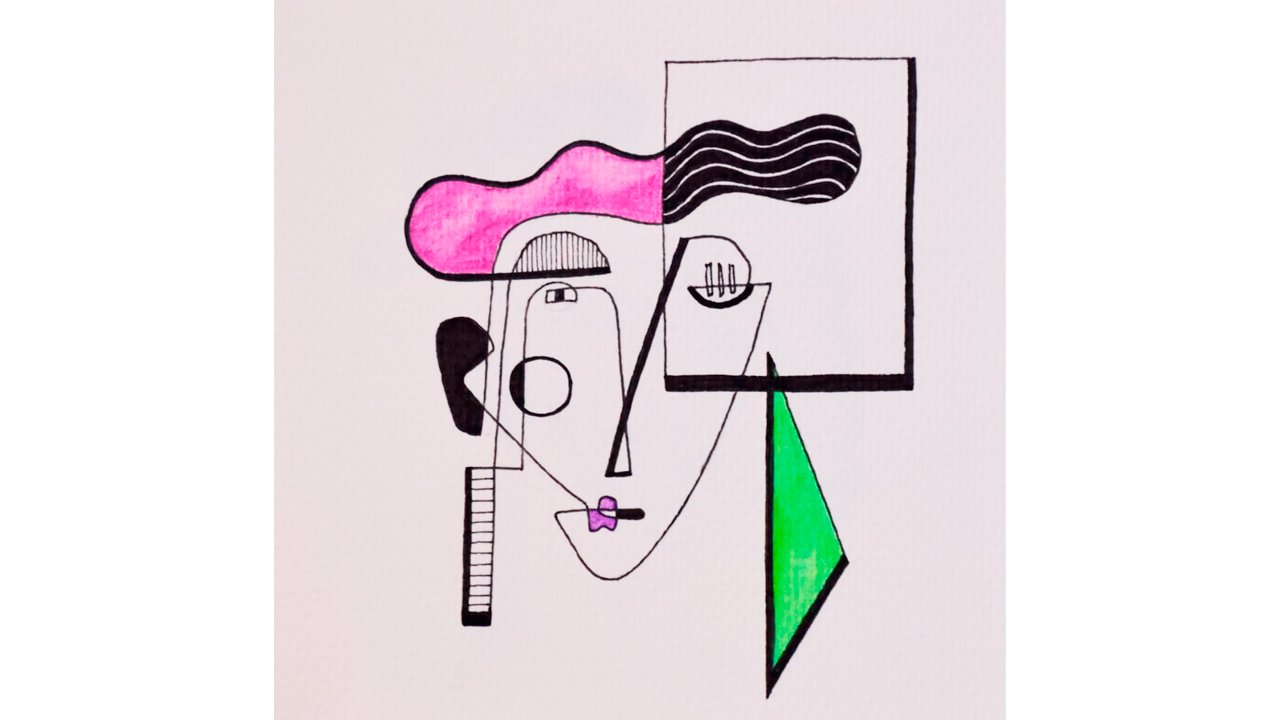
I am a multidisciplinary artist meaning experimentation is most essential part of my practice. My method of working is determined by purely on my current state of mind. For example if I’ve visited an exhibition, it would result in me taking sketchy notes and absorbing everything that immediately reacts on me. It is at a a later stage, that I begin to envision an idea forming either through direct observation or aesthetically referencing from a source. My sketch book becomes a tool, where I inform myself of what is to take shape or form. I must not over think it. The process takes centre stage through intuition or an eager anticipation to see it be realized. It is continually growing from one loop end to the other with a sense of excitement.
You describe drawing as a process of sustained observation, repetition and continual revision. How did your studies at the Royal Drawing School transform the way you see and interpret a subject?
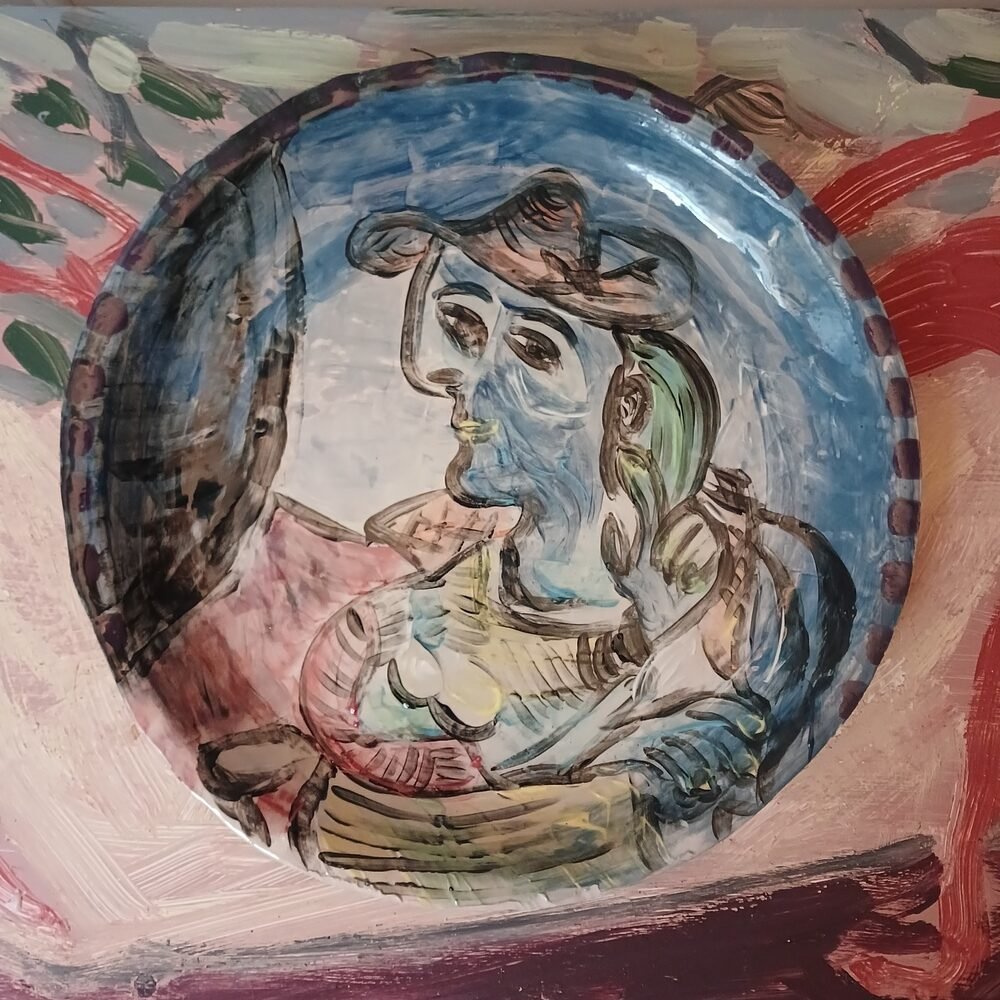
I paint and draw quickly as most of my works resemble the old master’s paintings. A style so gradually developed of working swiftly and with an intense immediacy. It is to say innovation only comes to me in episodes, where my work gets into a conscious realization with a burst of emphatic exhilaration. My training at the royal drawing school taught me to find my own rhythm and develop a well-tuned personality. The more regulated way of being taught by fellow practicing artists to polish my observational drawing skills to the highest standards of both draftsmanship and art. I learnt to love improvisation and accident. I found my starting points in the studio setups with its own logic. Almost that seeing the familiar afresh as unfamiliar. It was an exciting part to be one of a number of artists studying together and exchanging ideas in one sense we all saw the same thing, in another we all perceived it differently, filtered through our emotions and memories.
Still life is central to your practice. What do everyday objects reveal to you that the human figure or a more explicitly narrative subjects cannot?
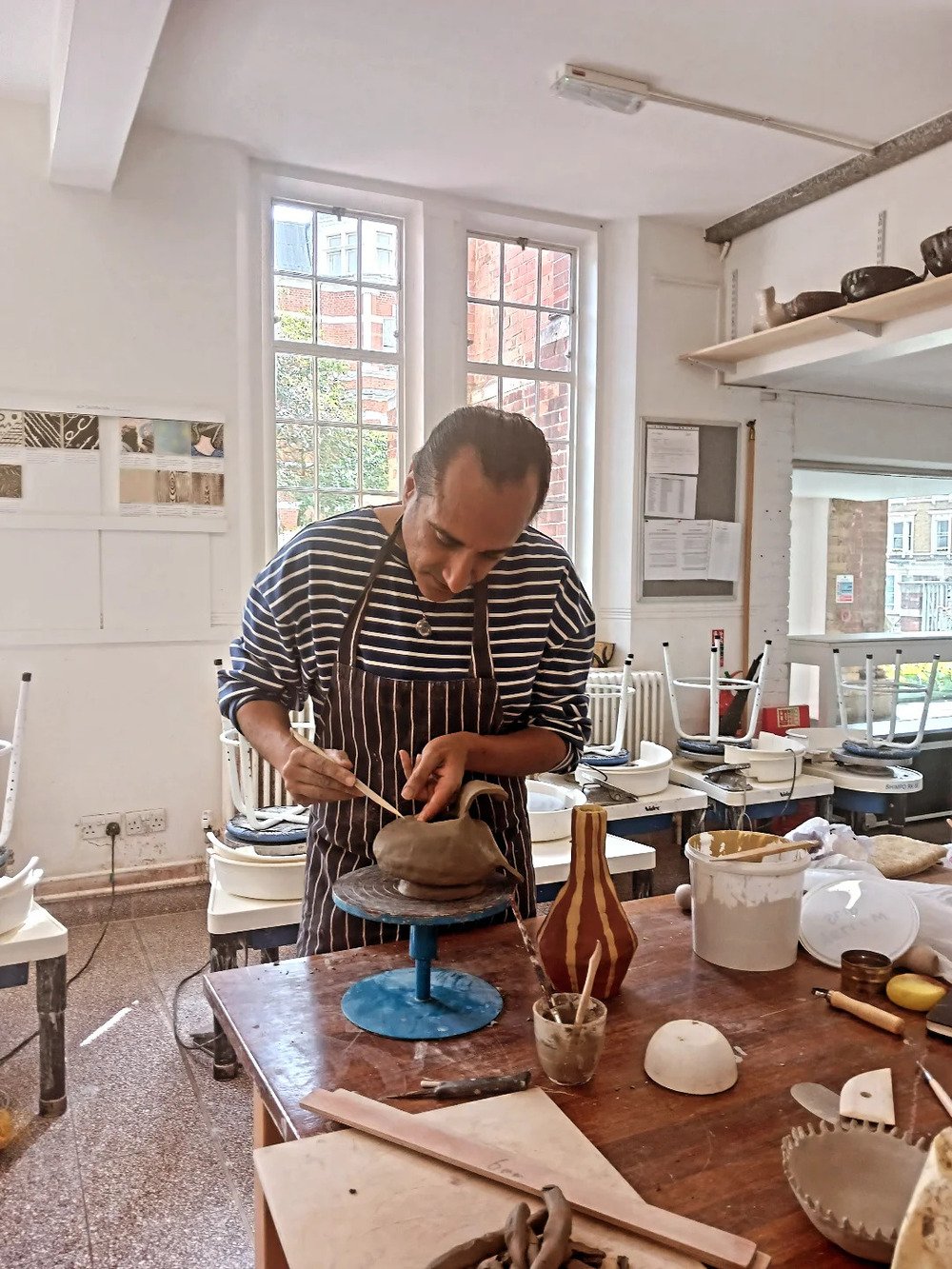
I am committed to the classicism and return to representation of contemporary painting. The feeling of grave, untroubled serenity and happiness, which is a dominant mood of my still life paintings as it comes from a singular honesty and purity with, which I observe and express my vision. In my studio I develop a flourishing practice that includes the design of objects, ceramics and textiles. They have an air of complete spontaneity. It shows my sophistication as a painter and the enduring influence of the great masters, like Morandi, Picasso and Chagall on my work. I intend to keep the composition as playful and exquisitely sensitive. The use of line and tone often associated with Matisse’s style of using color. My work evokes the absence of narrative content in painting and dictates a significant form and their emotional charge. The sensitivity of the human form transmits into my conscious realization and takes up the fluid and loose structure of lines, shapes and forms.
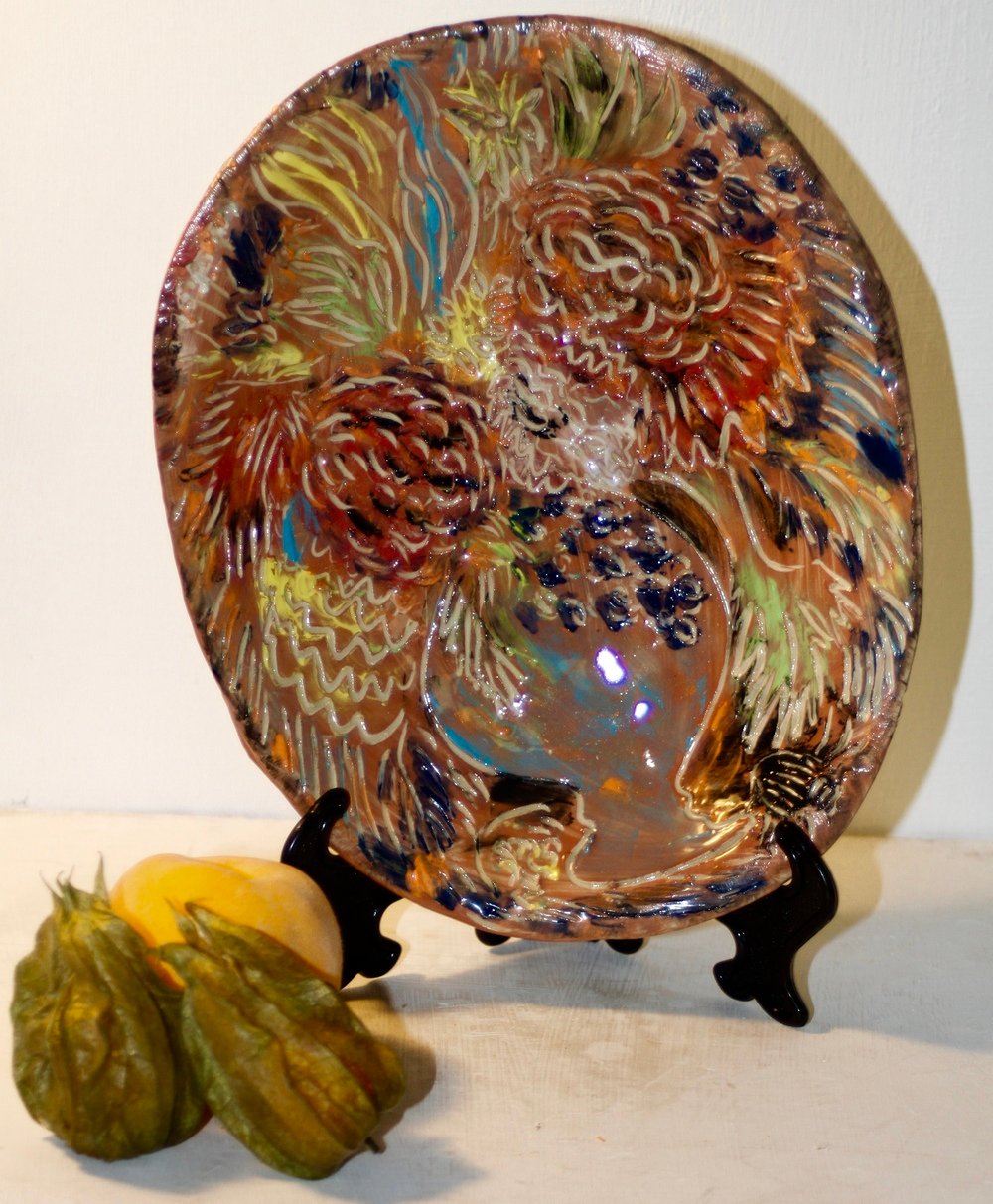
In the submitted works, painted ceramics are photographed alongside real flowers and fruits. How do you understand the relationship between the physical objects, the imagery on its surface, and the still-life arrangement surrounding it?
It is my ongoing search for finding a sense of enlightenment in the everyday objects through making rough sketches that later inform my work. The characteristics of the painted and hand-built ceramics in their combination of both interpreted influence from the paintings of the masters together with my vision to translate into a contemporary realm. Each time when starting I prepare my mind like a blank canvas upon which layers of ethical and pictorial impression of images leave an imprint. I distinguish where to draw a line of creating something that is in literal sense a type of found image taken into a more thorough, tried and tested concept. The key to my work is as long as it keeps the originality too the spirit of my thought process and takes shape with a naive and child like innocence.
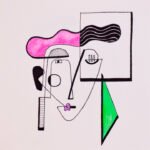
Some of your ceramic pieces feature expressive, fragmented figures reminiscent of Picasso, while others focus on flowers, pattern and ornament. What guides your choice of imagery for each object?
The relationship between the image and object is usually directed by my conceptual thinking. I lead with a clear principle of staying true to my ways of seeing something afresh. What actually guides is practical nature of pottery that is as it is taking shape organically within me given perhaps as an intuition. I sometimes look back and think that isn’t what I intended at first instance, but it formed from pure curiosity and eager urge to create with clear thinking. The excitement overtakes from preconceived ideas of experimentation and occasional happy accidents forming as an outcome. The Important fact lies in the beauty of an object as it causes a reaction either by sense of touch or an immediate impact on my psyche.
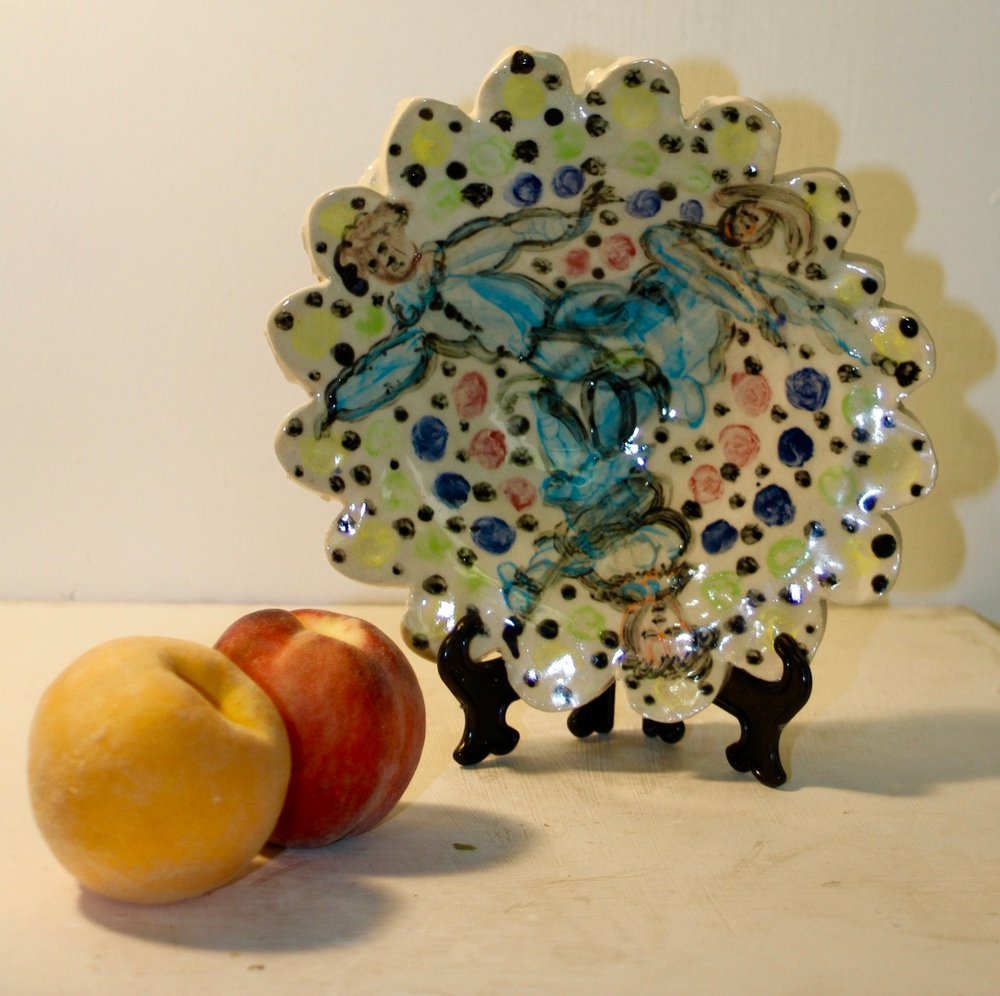
Firing and glazing introduce an element of unpredictability into ceramics. How important are accident, material transformation and unexpected results to your creative process?
I am a keen observer and curious thinker as what I believe we all begin from a regulated starting point. What guides me an an artist is keeping my style unique to how I envision an end result. The learning process and becoming an acute observer taking it all in at every stage as an outcome of something, which initially is predicted but it doesn’t prove to be technically sound in tonal values and three dimensional illusion. From thereon, I take all the necessary risks of making an object stand the test of time. The mistake or an accident proves what I will aim to do next would be better informed and ethically correct. I believe if the method is clearly followed the conclusion would be balanced neutrally taking into account each stage informs what is intended next. My highly tune sense of pattern enhances by my study of the objects at the V&A museum and ongoing research informs the technical aspects of creating ceramics.
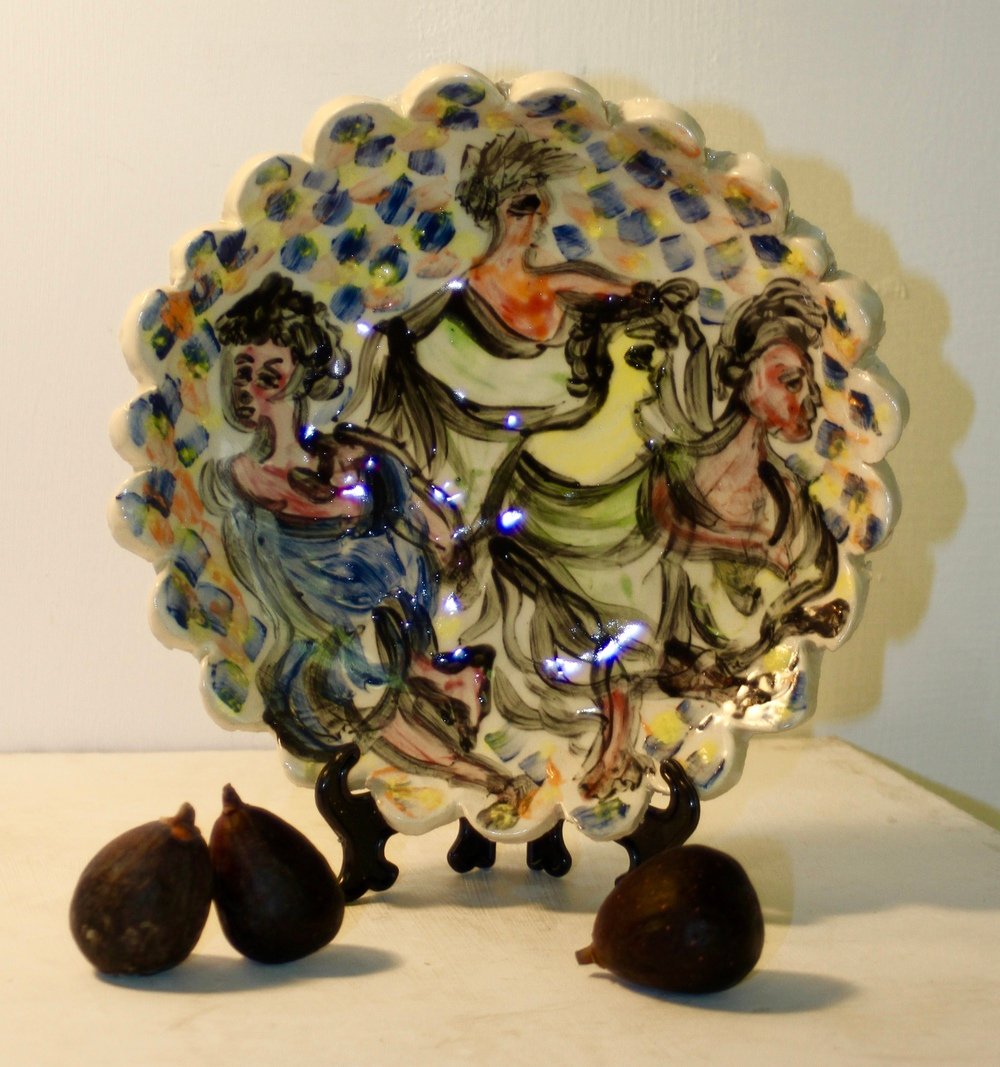
You write that making art is a way of affirming your spiritual significance. How does this spiritual dimension manifest itself in the objects you create and the experience you hope to offer the viewer?
If I look back in the past decade of my formation. I intend to refer to my work as ever evolving. I expanded my practice through building a vast array of accumulative objects, textiles and artisanal materiality. I travel and gather the spirit of the place in my sketch pad, which later informs my work in episodic stages. I keep a deep appreciation of any exhibitions I visited and the voice of a particular nature informs my make belief. There are different responses that echoed in various forms of my drawings, paintings and ceramics. The multitude themes all liquid down too a singular way of thinking through conception to realization. The viewer of my work can take away from it an emotional detachment and interpret through one’s own sense of fulfillment.